


Scientific journals are facing a growing peer-review crisis, with fewer researchers available to review submitted papers
Sustainable Development Goals (SDG)

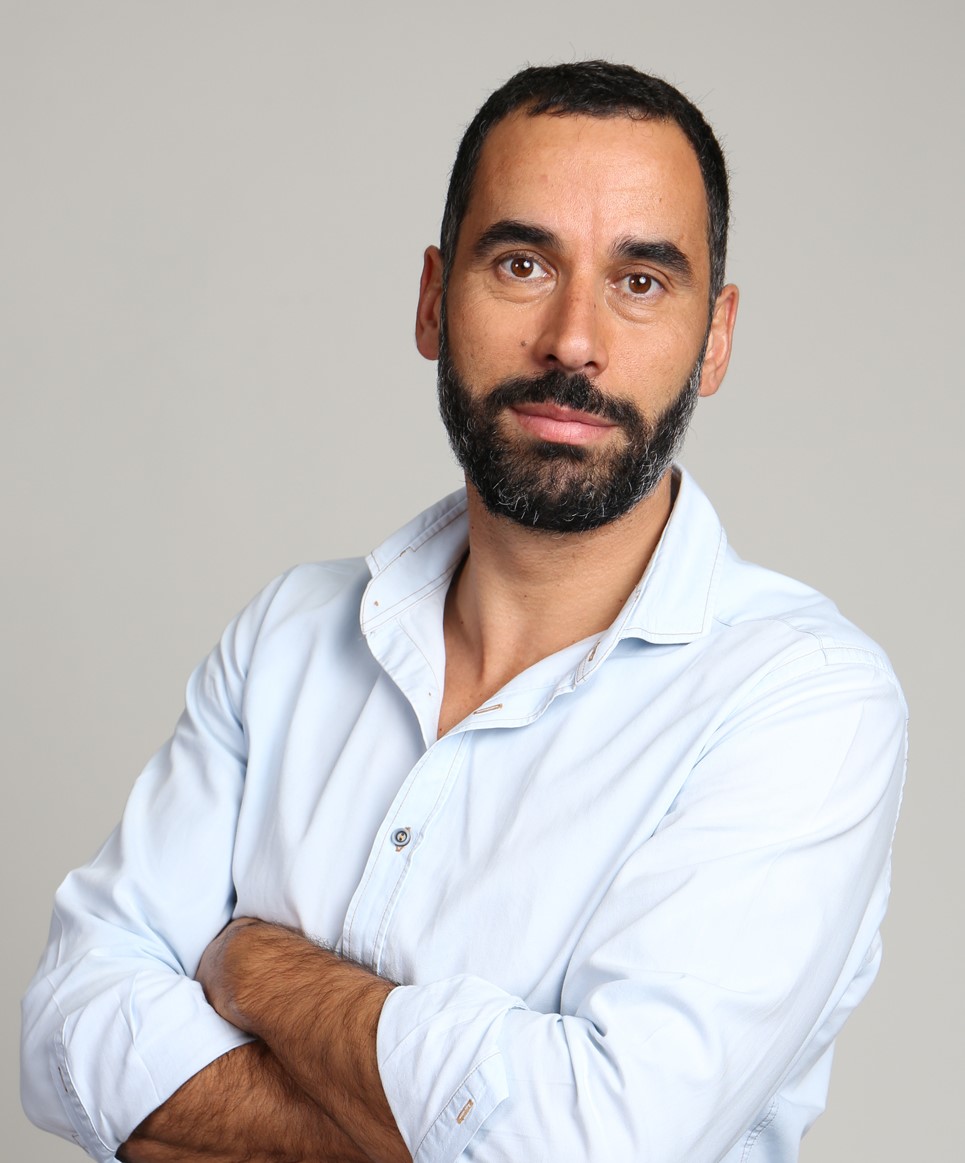
Rui Faísca
Scientific journals are going through a silent crisis, with it becoming increasingly difficult to find people willing to carry out peer review. Invitations often go unanswered, and editors accumulate rejections before securing two or three reviewers per paper. On the other side, researchers may receive one or two daily requests to review articles, publish papers, or act as guest editors for special issues. At first glance, this might seem like the “growing pains” of a successful system, but it may instead reflect resistance to a model that relies on unpaid work to sustain a highly profitable industry.
Peer review remains the cornerstone of scientific credibility. However, this foundation depends on unpaid hours from researchers already overloaded with teaching, grant applications, audits, and constant pressure to publish. At the same time, major publishing groups report high profit margins, largely fueled by publicly funded research. Universities pay to access journals, authors pay to publish, and reviewers receive no compensation.
Recent cases have exposed deeper weaknesses in the system. The exclusion of Science of the Total Environment from the Web of Science Core Collection, following investigations that uncovered peer-review manipulation through fake reviewer identities and conflicts of interest, has highlighted how rapid growth strategies can compromise review integrity and quality.
In this context, an episode involving Spanish mathematician Pascual Diago is particularly illustrative. The University of Valencia lecturer accepted a request from a journal outside his field, the Clinical Journal of Obstetrics and Gynecology, which invited him to submit a paper. Within minutes, using ChatGPT, he produced a text titled “Obstetric Paradoxes and Didactic Equations: The Impact of Mathematics Teaching on Childbirth and Beyond,” drawing an improbable connection between prime numbers and pregnant women’s desires. Although the content was incoherent and even the author admitted not fully understanding it, it was accepted shortly afterwards with only minor revisions.
Approximately 3.5 million scientific articles are published annually across around 45,000 journals, within a system that moves billions of dollars. The “publish or perish” mentality has become central to academic progression, where publication count, impact factor, and h-index dominate evaluation metrics. Publishing more has become more important than producing meaningful or high-quality contributions, posing a risk to scientific development and credibility.
Without trust, science loses its most valuable asset. In an environment saturated with misinformation, any failure is amplified. If citizens begin to doubt the integrity of the scientific process, the consequences for the future could be severe.
The reviewer crisis is only the visible symptom of a structural problem. Reform requires formally recognising peer review work, ensuring proper valuation and, where possible, compensation; increasing transparency in editorial processes; and reducing reliance on purely quantitative metrics.
Science has always been built on rigorous scrutiny and a shared commitment to collective responsibility. It may now be time to refocus the system on the robustness and relevance of knowledge production, rather than on the accumulation of publications. A revision of evaluation models is therefore needed to allow researchers to focus on high-quality scientific work, without being constrained by short-term output pressures.
Rui Faísca
Assistant Professor and Vice-Rector of the Faculty of Veterinary Medicine, ULusófona
Source: Sol









