



Lusófona University examines four decades of Portugal in the EU and Schengen
A critical analysis of Portugal’s accession to the EEC and the impact of the Schengen Agreement on national development
Sustainable Development Goals (SDG)


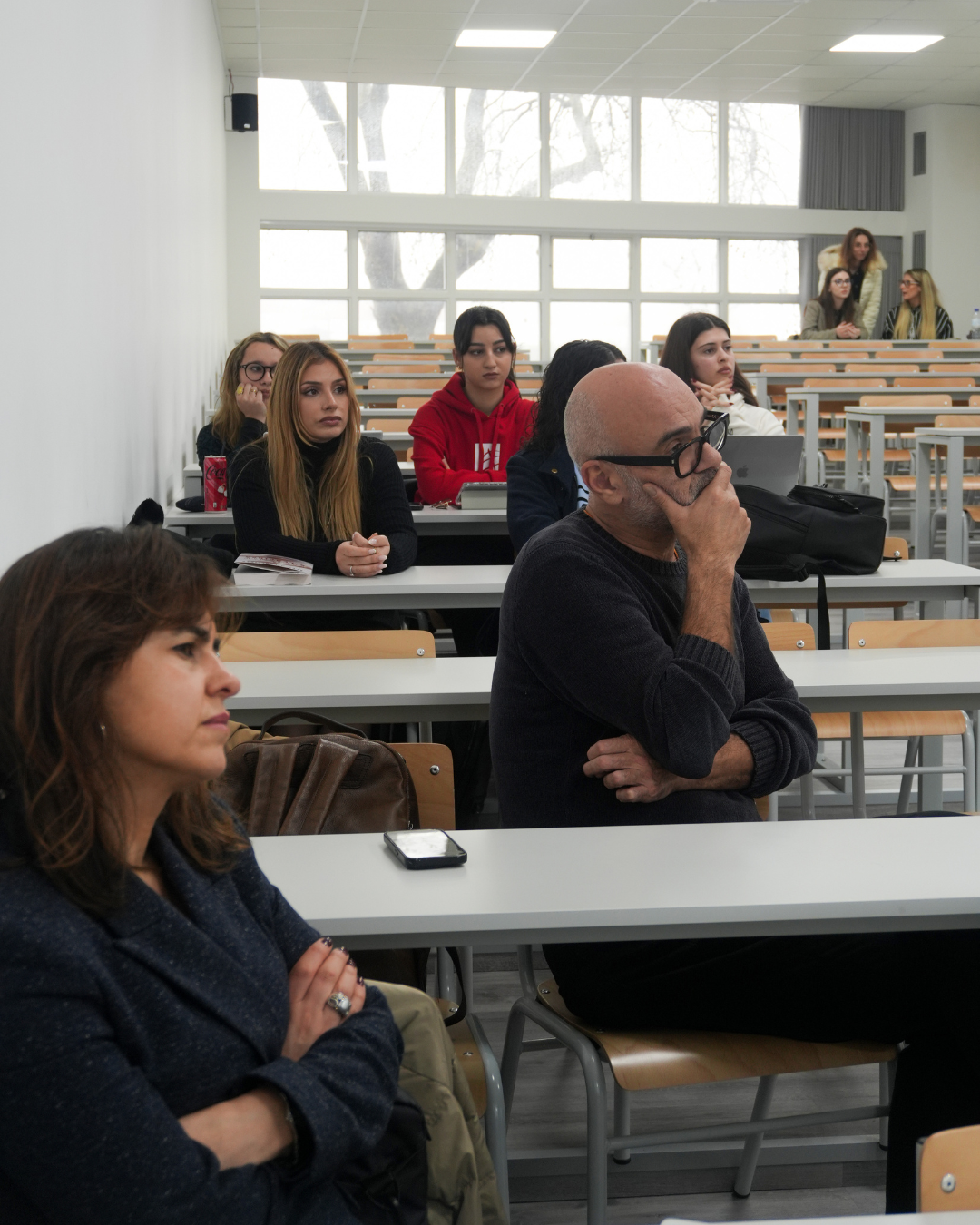
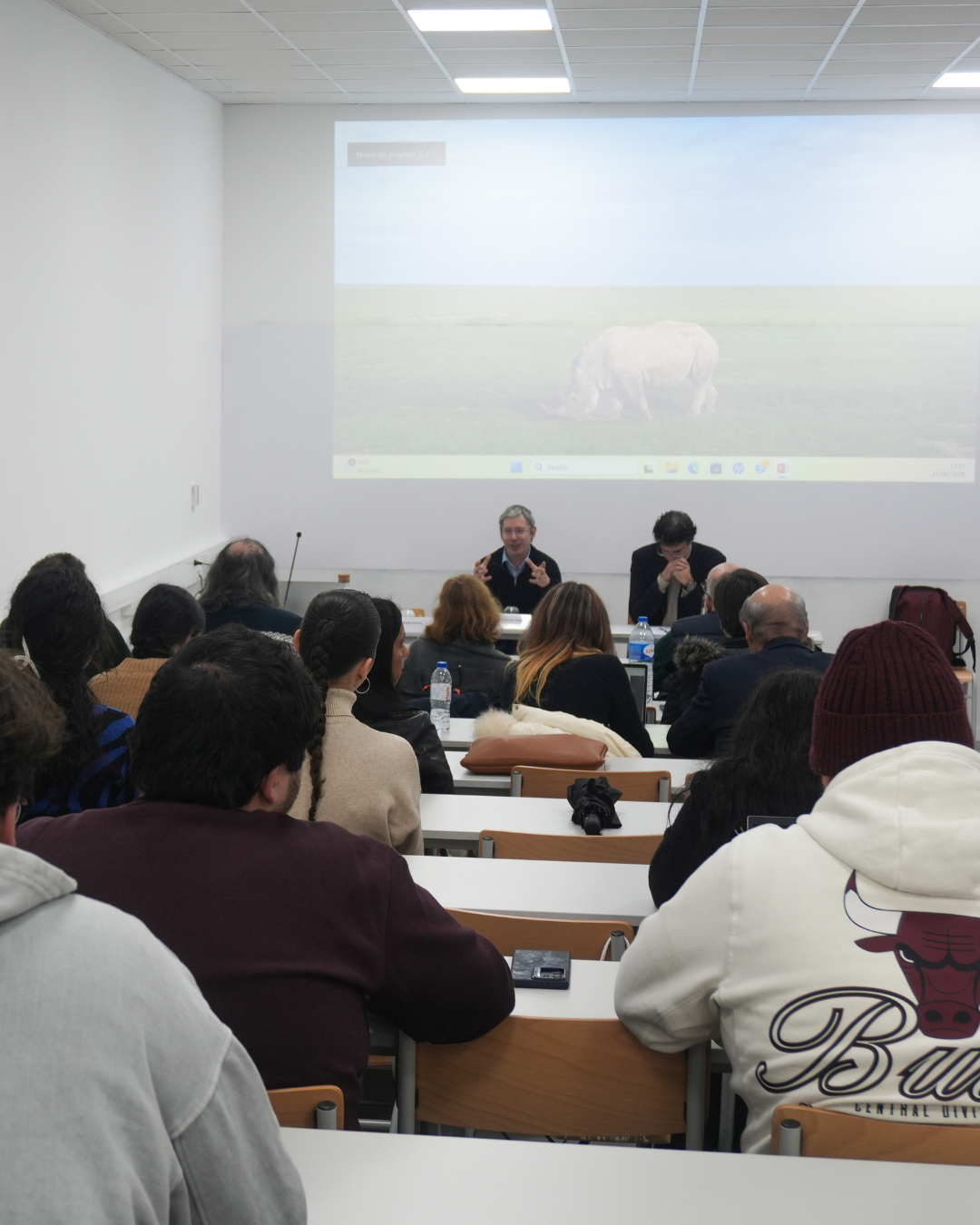
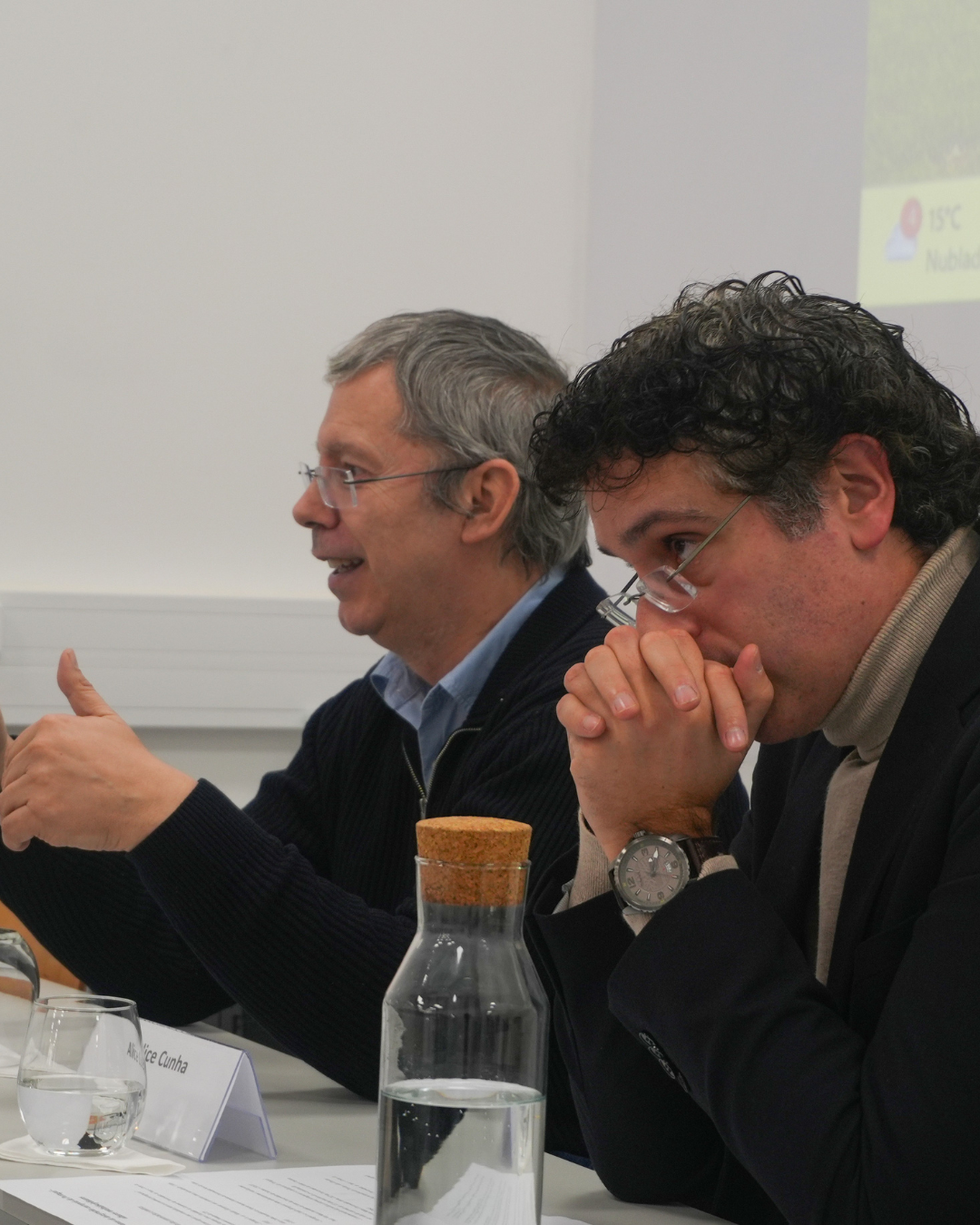
On February 11, Universidade Lusófona – Centro Universitário Porto hosted the conference “40 years of Portugal’s European integration – multidisciplinary perspectives”, dedicated to critically analysing four decades of Portugal’s accession to the European Economic Community (EEC) and also marking the 40th anniversary of the Schengen Agreement.
The event brought together several experts from fields such as Law, Political Science, International Relations, History, Economics and the Arts, with the aim of assessing the country’s transformations and reflecting on Portugal’s future role in the European Union (EU).
The opening session featured Rui Albuquerque, Deputy Director of the Faculty of Law and Political Science, who welcomed the students and reinforced the importance of initiatives of this kind for academic development.
Alice Cunha, lecturer at the Faculty of Social Sciences and Humanities of NOVA University Lisbon (NOVA FCSH) and the Portuguese Institute of International Relations (IPRI), reflected on Portugal and European Funds in the first years after accession (1986–1993), comparing the country’s situation before and after joining the EEC. She highlighted the progress achieved while stressing the need for critical analysis.
Rui Henriques Alves, lecturer at the Faculty of Economics of the University of Porto and the Centre for Economics and Finance of UP, addressed “40 years later: what results for the Portuguese economy?”.
Paulo Vila Maior, lecturer at the Faculty of Arts and Humanities of the University of Coimbra (FLUC), spoke on “Portugal and the European Union: between Sebastianism and utilitarianism”. André Pereira Matos, lecturer at the University of Minho (UM) and the Instituto Jurídico Portucalense (IJP), analysed “The Europeanisation of Portuguese foreign policy and Portugal’s influence on EU external relations: a process of co-constitution”.
Anabela Costa Leão, professor at the Faculty of Law of the University of Porto (FDUP) and the Interdisciplinary Research Centre on Justice (CIJ), addressed “40 years of European integration from the perspective of law and rights”. Nelson Araújo, lecturer at the Escola Superior Artística do Porto (ESAP) and the Centro de Estudos Arnaldo Araújo (CEAA), explored the influence of European integration on Portuguese cinema.
Paulo Vicente, Lusófona lecturer and session organiser, told Notícias Lusófona that, overall, “the balance is positive”, although challenges remain, such as the future reduction of European funds, the impact of new EU enlargements and the growing presence of extremism.
The conference provided an interdisciplinary reflection on the impacts of European integration in Portugal, with parallel sessions in economics, law, foreign policy, history and the arts. Students and participants were able to follow critical analyses and debates on the challenges and opportunities facing the country in the next decade of European integration.
View the Event Photos on ULusófona’s Facebook
Text
Bruna Pereira
Image
Gabriel Motta
Related Courses
Other News
- Donations at Lusófona University Generate Half a Tonne of Aid for Venezuela
- ULusófona on the International Stage of Religion and Law Studies
- Psychology Mentoring Programme Welcomes New Academic Year
- ULusófona selected to take part in Print Pause Lisboa
- Lusófona University lecturer participates in conference on mobility and the CPLP









